
The conversation around the casino hourly prize AUD drop has been buzzing through pubs and group chats from Perth to Brisbane. Punters watch those ticking counters and wonder whether the numbers are rigged or just part of the modern digital casino experience. It feels like every other week someone shares a screenshot of a shrinking prize pool, usually after a long session that started with a cold one and ended with a question about how the whole thing works.
Australian players are no strangers to dynamic payout structures, but the hourly prize drop model sits somewhere between a loyalty perk and a marketing hook. The idea sounds simple on the surface: a prize pool that adjusts over time, sometimes climbing, sometimes falling, depending on how many players are active and how the operator has tuned the mechanics. When the numbers slide, it’s easy to assume the house is quietly tightening the screws, though the reality is usually a bit more mechanical than malicious.
Looking overseas, similar time-based reward systems have been common in parts of Europe and the United States for years, often tied to tournament leaderboards or daily bonus pools. In the UK, regulators have pushed operators to be clearer about how promotional funds behave over time, which has led to more visible breakdowns of when a pool resets or shrinks. Down here, the approach is still catching up in terms of plain-English explanations, so it makes sense to break down what an hourly prize drop actually means before you chase it with your deposit.
How the hourly prize mechanic actually works
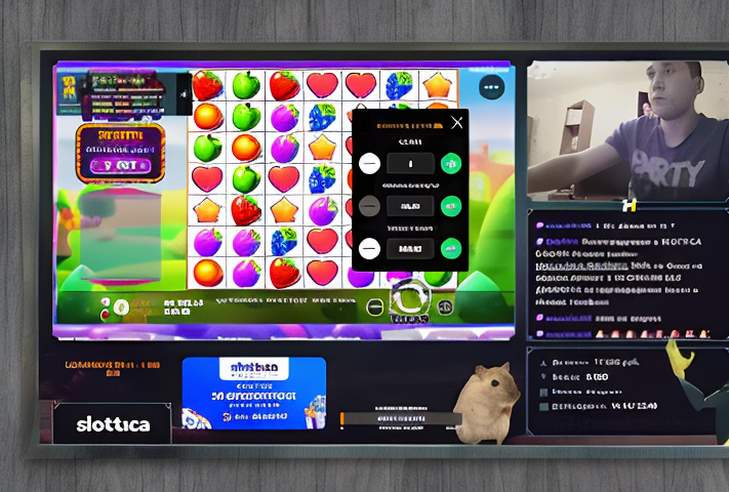
At its core, an hourly prize drop is a pool of credits or cash-equivalent value that changes on a schedule rather than sitting static. Some platforms let it build up between resets, while others let it taper down if there is less activity or if the operator wants to manage exposure across a shift. The wording can be a bit loose, and that’s where the confusion starts, because “prize” does not always mean free money that you can withdraw without conditions.
A lot of Aussie players first notice the mechanic when they log in after a few hours away and see the displayed value sitting lower than it was before. That drop can simply reflect the passage of time, a reset window, or a reduction tied to bonus terms that reward frequent logins rather than long absences. It is less about a hidden hand tweaking the numbers and more about a timed system doing exactly what the fine print says it will do.
In practice, the hourly element is often tied to engagement rather than pure luck. If the platform is designed to keep people interacting across the hour, the prize value may hold steady or climb in small steps, then flatten or fall once the window closes. That structure is not unique to this market, and you can see similar timed loyalty pools on international sites that run weekday specials только у нас or weekend bonus rounds.
Why the prize pool can shrink over time
The most straightforward reason a pool shrinks is that the operator is managing the cost of the promotion across a set period. A timed prize is not the same as a guaranteed payout, and the value displayed can be a target rather than a locked-in figure. When the clock rolls over, the system can reset, redistribute, or reduce the pool depending on how the terms are written.
Player behaviour also plays a part. If a promotion is built around active participation, the pool may be funded by a percentage of activity or by a fixed marketing budget that gets allocated gradually. When fewer players are interacting, the displayed prize can dip because the operator is not topping it up at the same rate. That can feel frustrating if you are logging in expecting a bigger number, but it is usually just the mechanics of a time-based incentive doing its thing.
There is also the simple matter of expectation. A prize that looks generous at the start of the hour can look underwhelming an hour later, especially if you are comparing it to a progressive-style display that implies constant growth. That mismatch between expectation and display is where a lot of the complaints come from, even when the operator is following its own published rules.
Progressive jackpots versus hourly prize drops
Progressive jackpots do genuinely grow, but the odds of hitting them are astronomically long. That is the key difference between a jackpot that climbs with every wager across a network and an hourly prize pool that is tied to a shorter promotional window. One is designed to create a massive headline prize over time, while the other is often a smaller, more immediate incentive that can rise or fall within the hour.
The comparison matters because players sometimes treat any rising number as if it works the same way. A progressive meter can keep climbing for days or weeks, but the likelihood of a single player landing it remains extremely low. An hourly prize drop is usually a different animal altogether, with a smaller pool, a shorter timeframe, and terms that often reward participation rather than a single lucky spin.
It helps to think of them as separate tools in the operator’s kit. A progressive jackpot is about the dream of a life-changing hit, while an hourly prize structure is more about keeping the session interesting and giving regular players a reason to stay engaged. Both can be legitimate, but they should not be read as the same kind of opportunity.
What Australian regulations expect from prize displays
Australia’s gambling rules are a patchwork of state and territory legislation, and that affects how promotions are presented as much as how they are run. Operators have to be careful with wording that could imply a guaranteed return, especially when a prize display changes over time. Clear terms are not just good practice; they are part of staying on the right side of local expectations and consumer protection standards.
That means the hourly prize drop needs to be described in a way that does not blur the line between a bonus pool and a payout guarantee. If the value can fall, the terms should make that possible outcome obvious rather than burying it in a wall of text. Australian players have become more alert to that kind of language in recent years, and operators who keep things straightforward tend to earn more trust than those who dress up a timed pool as something it is not.
Compared with jurisdictions where advertising standards are even tighter, the Australian approach still leaves room for confusion if the operator leans on vague phrasing. The practical takeaway is to read the terms around resets, eligibility, and wagering requirements before treating the displayed figure as a sure thing. A prize that changes hourly is usually a promotion, not a promise.
How Joe Fortune and other operators handle timed prizes
Joe Fortune has built its position as one of the leaders of the Australian market by leaning into a polished digital experience and a steady stream of promotions aimed at local players. In the comparison table below, it sits alongside other operators that use time-based incentives in slightly different ways, with the main difference often coming down to how clearly the prize behaviour is explained.
| Operator | Typical timed prize approach | Clarity of display |
|---|---|---|
| Joe Fortune | Hourly and session-based promotional pools with reset windows | Moderate to high, depending on the promotion |
| Other AU-facing operators | Daily or hourly bonus pools tied to login and wagering activity | Varies widely, with some more explicit than others |
| International examples | Time-limited tournament pools and loyalty rewards common in the UK and EU | Often more standardised under local advertising rules |
The main point is not that one operator is doing something radically different from another, but that the presentation can shape how the prize feels. Some platforms show the hourly behaviour plainly and let the player decide whether it is worth chasing, while others make the drop less obvious until the terms are checked. For a local audience, that difference matters because Aussie punters tend to compare notes quickly, especially when a promotion starts to feel less generous than the headline suggested.
If you are weighing up a site based on how it handles these promotions, it is worth looking at the consistency of the display as much as the size of the prize. A steady, clearly labelled hourly structure is usually easier to judge than one that shifts without much explanation. That is where a brand like Joe Fortune can stand out, not because it invented the mechanic, but because it has made the promotional side of the experience a visible part of its local pitch.
Practical ways to judge an hourly prize offer
The first thing worth checking is whether the prize is a real pool of value or a display tied to conditional rewards. If the hourly prize drop is linked to wagering requirements, game restrictions, or withdrawal limits, then the headline number is only part of the story. A smaller prize with straightforward terms can be more useful than a bigger one that disappears behind a pile of conditions.
It also helps to watch how the number behaves across a few sessions rather than reacting to a single drop. If the pool resets predictably and the terms are consistent, you can make a better call on whether it is worth your time. If the display changes in ways that are hard to reconcile with the rules, that is usually a sign to slow down and read the promotion more carefully.demo for 15 dragon pearls demo
For players who like to test a mechanic before committing, a demo for 15 dragon pearls demo can be a handy way to see how a game feels without immediately treating it as a prize chase. The demo does not show the hourly prize behaviour itself, but it can help you judge whether the underlying game is worth engaging with when the promotion is running.
Expert view on timed prize pools
Lachlan Fisher, Sports Betting Analyst, Southern Reef Gaming, says timed prize pools are best treated as engagement tools rather than hidden payout machines. He notes that players usually do better when they focus on the terms around resets and eligibility instead of chasing the highest number on the screen. His view is that the hourly element is less important than the clarity of the promotion and the consistency of the rules across sessions.
For families navigating these mechanics, establishing clear household boundaries around playtime becomes just as important as understanding the odds. Communities discussing screen habits often highlight how transparent expectations can reduce stress for everyone involved, a sentiment echoed across forums like parenting discussions on Reddit. Ultimately, treating these features as entertainment ensures the experience remains fun without compromising financial stability.
Where to check local chatter and keep expectations realistic
If you want to see how other players are reading these promotions, there is no shortage of discussion in Australian online communities, including threads on a reddit.com/r/AustralianParenting/ neighbour forum where people sometimes swap notes on screen displays, bonus terms, and whether a drop felt fair or just confusing. That kind of chatter can be useful, but it is still worth checking the operator’s own terms before assuming the community read is the whole story.
The practical bottom line is that an hourly prize drop is usually a timed incentive, not a secret lever pulling your chances down. Some pools shrink because the window is closing, some because the operator is managing exposure, and some because the terms were always going to reset the value at a set point. Once you separate the display from the conditions, the mechanic is a lot easier to judge, and the whole thing becomes less about suspicion and more about reading the promotion properly.