
Ever wondered why some punters walk away with their bankroll intact while others burn through it by Tuesday? You have probably asked yourself that question after watching a mate toss a twenty on a pokies spin and then chase it for an hour. The answer is rarely luck alone, and it starts long before you tap deposit. When you are hunting for complete records casino information AUD, you are really asking how to keep your session money visible from the first click to the final logout.
Most first-timers treat a casino account like a tab at the local pub, which is a quick way to lose track of where the cash went. A proper session budget is just a fixed amount you are willing to risk before you even load the page, and it should sit apart from your grocery money or the rent. Say you ring-fence fifty dollars for a Tuesday night session, then that fifty is the only money that matters once the reels start turning. Anything above that line belongs to tomorrow, not to a bad run on the current spin.
Australian players have their own rhythm around this, especially down in regional New South Wales where a long drive to a physical venue used to mean you planned your night around the trip. Now the phone stays in your pocket and the temptation to top up between overs of cricket or during a quiet spell at work is constant. A loss limit works best when you set it before the first spin, because once you are in the middle of a session your judgment gets louder from the noise. You can read a local breakdown of betting habits over at the Illawarra Mercury, and it makes the point that convenience often outruns discipline when no one is watching.
Pick a session budget you can actually afford
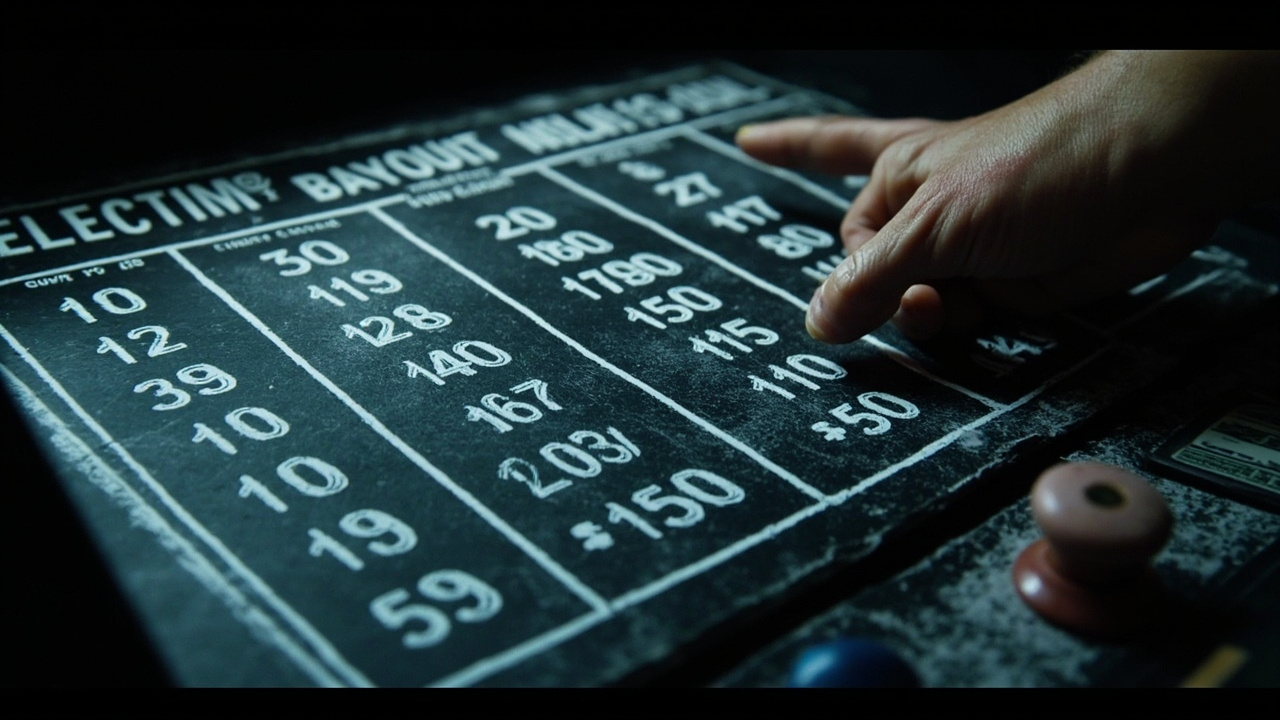
A session budget is not a guess, it is a number you can name without checking your account balance. Write it down on a scrap of paper or pin it in your notes app, then treat it like a ticket you hand over at the door. If you start with one hundred dollars and the plan is to play for ninety minutes, then the clock matters as much as the balance. The moment you cross the ninety-minute mark, the session is over regardless of whether you are up or down.
Some operators keep their own ledgers in a way that mirrors the old-school table count. The drop is the total money and markers placed in a table’s box, and savvy players think of their own session balance the same way. You can see how a platform tracks that kind of record when you look at croco pokies in video slots, because the spin history and balance trail are the closest thing to a paper trail most of us will ever get.
Staking is about size, not speed
Staking comes down to how much of your session budget you put on any single outcome, and the size of that bet decides how long your money survives a rough patch. A common mistake is to raise the stake after a loss in the hope of making the time back quickly, which is how a tidy session turns into a drained account before dinner. Keep each bet at a fraction of the session budget, say two to five percent, so a losing streak does not end the night on its own.

William Watson, iGaming Regulatory Consultant, Outback Gaming Research, puts it bluntly: “A player who never defines stake size relative to session у партнёров length is just hoping the machine will be kind, and machines do not care about hope.” His point lands harder when you consider how fast a mobile screen can turn a small bet into a long list of them, especially when you are idling through a rain delay at a local club match.
Loss limits stop the slide before it runs away
A loss limit is the ceiling you agree to before you play, and it works only if you honour it when the session goes quiet and your patience wears thin. Set it as a hard dollar figure for the day, then walk away when you hit it rather than telling yourself you will stop after one more round. The habit is easier to keep if you pair the limit with a time cue, like packing up when the news bulletin starts or when the local footy final wraps up.
Sophie Fisher, Head of Product, Wattle Gaming Partners, warns that “product design can make stopping feel optional, so the player has to build their own off-ramp before the screen starts pulling them forward.” She is right that the interface can nudge you, which is why a written loss limit beats a vague intention every time. You can keep an eye on how regional play habits shift by following a report from the Age, and the pattern is usually the same: convenience wins when the player has not set a hard line.
Knowing when to stop is a skill, not a feeling
Knowing when to stop is harder than it sounds, because a winning session can tempt you to keep going just as easily as a losing one can. The rule is simple: decide the point at which you will log out, then treat that point as a non-negotiable exit, not a suggestion you revisit when you feel confident. If you start with a hundred and you reach a hundred and thirty, that is a perfectly good moment to bank the gain and close the app.Theage
A mate of mine from the Hunter region ran a small experiment that makes the point cleanly. He set a ninety-minute session, a fifty-dollar budget, and a loss limit of forty, then played a short run of video slots on his phone during a break at work. He stopped when the timer hit ninety minutes even though he was only down twelve, and he walked away with enough left to buy a pie at the servo instead of chasing the gap.
Keep your own records and skip the guesswork
Keeping your own records is the only way to know whether your habits are holding up over time, because memory gets generous after a few drinks or a few wins. Jot down the date, the session budget, the starting balance, the ending balance, and the reason you stopped, then review the list once a week to spot the patterns. You will quickly see whether you are stopping because you planned to or because you ran out of steam.croco pokies in video slots Illawarramercury
The phrase complete records casino information AUD keeps coming up for a reason, because a clear record is what turns random play into something you can actually judge. You do not need a spreadsheet with twenty columns, just enough detail to answer whether your session budgets, staking and loss limits are doing their job. When you can read your own history without guessing, you are finally playing with your eyes open.